Free, prompt and friendly Calor Gas, Welding and Cellar Gas cylinder delivery service in North West London, Herts, Beds & Bucks

How to Choose the Right Gas Bottle for Your Emergency Cooker
Your Simple Guide to Checking Remaining Gas in Your Domestic Bottle
In light of official household emergency guidelines—such as the UK Government’s "Be Ready" campaign encouraging families to prepare for up to 72 hours (3 days) of disruption to power, water, or utilities—having a reliable backup cooking plan is vital.
When the power grid goes down, a portable emergency gas stove or outdoor gas ring ensures you can boil water, heat food, and maintain hot meals. However, pairing your stove with the wrong gas canister or bottle size can leave you out of fuel mid-crisis or create storage issues at home.
Here is a complete guide to selecting the appropriate gas bottle size, fuel type, and safety setup for your household’s emergency cooking kit.
1. Estimate Your Emergency Burn Time
To determine how much gas you need, calculate your expected cooking time over a 3-day emergency window:
Basic Emergency Needs (Boiling water, quick meals): 30–45 minutes of total burn time per day.
Family Needs (Multi-burner stove, simmering meals, sterilising water): 1 to 1.5 hours of burn time per day.
Quick Fuel Consumption Reference
Small Single-Burner Bistro Stove: Consumes approximately 150 g/hour on high.
Double/Triple Camping Stove: Consumes approximately 300 g to 400 g/hour when running multiple burners on full heat.
2. Choosing the Right Fuel: Butane vs. Propane vs. Isobutane
Not all gases behave the same under emergency conditions. Selecting the right fuel type depends on where you plan to cook and the season.
Butane (Blue Cylinders / Bayonet Cartridges): Highly efficient and economical for spring, summer, and mild indoor/sheltered cooking. However, butane struggles to vaporise when ambient temperatures drop near or below 0°C.
Propane (Red Cylinders): Performs reliably in extreme cold and freezing weather. It operates at higher pressure and must be stored outdoors.
Isobutane / Propane Mix (Screw-Thread Canisters): The standard for backpacking stoves. The gas mixture maintains pressure in cold conditions while keeping the canister small and portable.
3. Recommended Gas Bottle Sizes by Stove Type
Option A: Portable Single-Burner Stoves (Bistro Style)
Gas Type: CP250 220g/250g Bayonet Cartridges.
Best For: Compact apartments, quick deployment, and minimal storage space.
Emergency Recommendation: Keep a pack of 4 to 6 cartridges per stove to guarantee 6 to 9 hours of total burn time.
Option B: Threaded Backpacking Stoves (EN417 Valve)
Gas Type: 230g or 450g Isobutane Canisters.
Best For: High portability and reliable all-weather boil times.
Emergency Recommendation: Two 450g canisters provide roughly 6 hours of continuous cooking time, sufficient for a 72-hour family outage.
Option C: Multi-Burner Tabletop Stoves (Hose & Regulator Connection)
Gas Type: Refillable Cylinders (1.8 kg to 6 kg).
Best For: Larger families who need to cook full meals or heat large pots of water simultaneously.
Emergency Recommendation: A 1.8 kg (Campingaz 904) or 2.75 kg (Campingaz 907) bottle offers the ideal balance of long runtime and compact storage.
4. Safe Indoor and Outdoor Gas Storage Guidelines
Storing gas cylinders requires strict adherence to safety guidelines:
Indoor Storage Limits: UK regulations allow up to 30 kg of butane to be stored indoors for residential domestic use (e.g., portable gas heaters or small stoves).
Propane Rules: Propane cylinders should always be stored outdoors in a well-ventilated, secure area away from heat sources and drain openings.
Upright Positioning: Always store gas bottles vertically with valves tightly closed and protected.
Ventilation First: Never operate gas stoves in unventilated, sealed spaces without adequate airflow to prevent carbon monoxide buildup.
Recommended Setup Checklist for 72-Hour Preparedness
[ ] Primary Backup Stove: 1x Portable Gas Stove (Single or Double Burner).
[ ] Fuel Reserve: Minimum 1 kg to 2.75 kg equivalent fuel (e.g., 4x CP250 cartridges or 1x Campingaz 904 bottle).
[ ] Regulator & Hose: Check rubber hoses for cracking and ensure the regulator matches your chosen bottle valve.
[ ] Ignition: Keep long matches or a piezo igniter in a waterproof pouch alongside your stove kit.
What types of gas to use on your family camping stove
This video provides a practical explanation of the differences between butane and propane gas bottles, helping you choose the safest and most efficient fuel source for outdoor and emergency cooking setups.


Reliable Gas Delivery Service
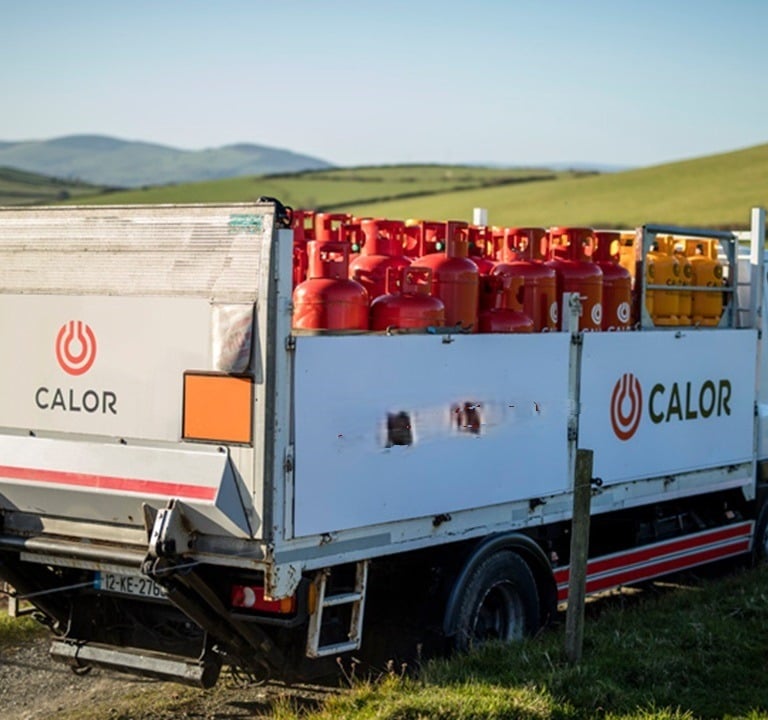
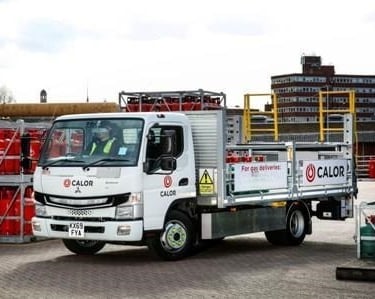
Delivering bottled gas, propane, butane, and industrial gas promptly and with a friendly approach in North London, Hertfordshire, Bedfordshire, and Buckinghamshire.


About GasDelivered
Gas Delivered offers efficient and friendly gas delivery services in North London, Hertfordshire, Bedfordshire, and Buckinghamshire, including emergency service when needed.
Gas Delivered provides excellent service, always delivering on time with a smile. Highly recommend!
Satisfied Customer


I rely on Gas Delivered for all my gas needs. Their emergency service is a lifesaver!
Happy Client

